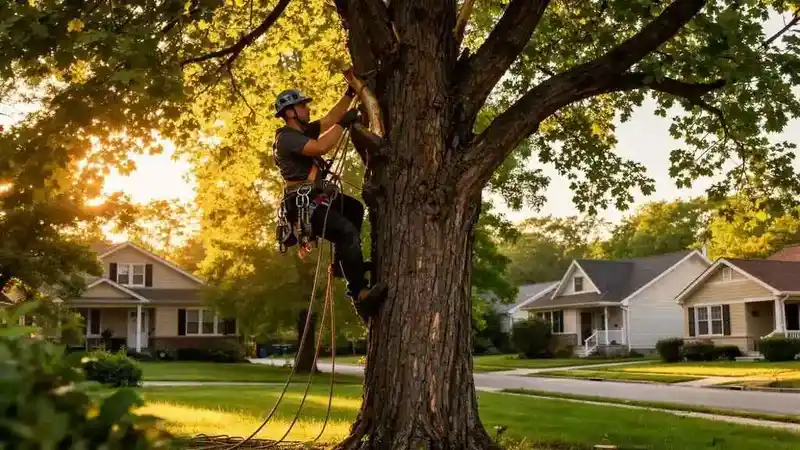
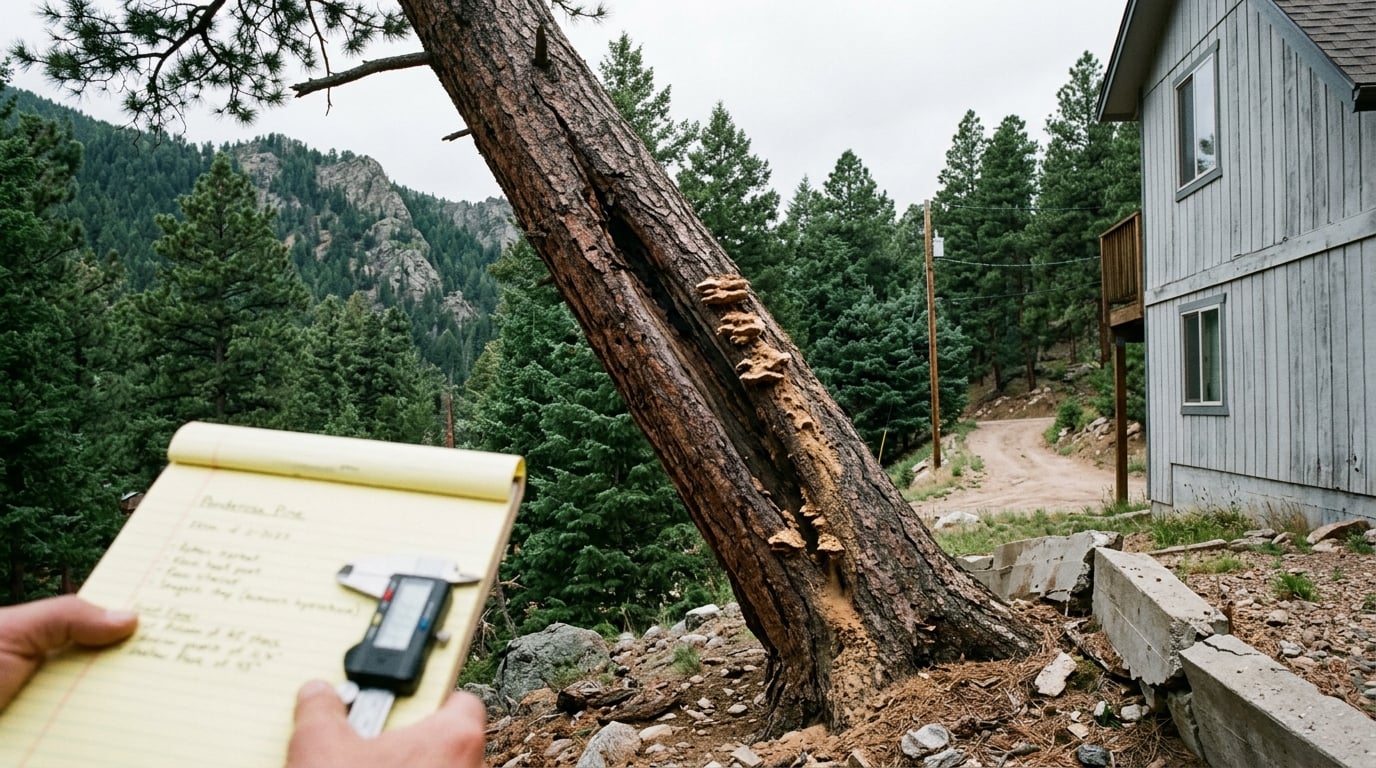
If you live in Colorado Springs, Black Forest, Woodland Park, or anywhere along the Wildland-Urban Interface (WUI), fire mitigation isn't optional — it's essential. The 2012 Waldo Canyon and 2013 Black Forest fires proved how quickly wildfire can devastate neighborhoods that aren't prepared.
Here's what every homeowner in El Paso County needs to know about creating defensible space and protecting their property.
What Is Defensible Space?
Defensible space is the buffer zone between your home and the surrounding wildland vegetation. It's the area where firefighters can safely work to protect your structure, and where radiant heat and direct flame contact are reduced.
The concept is simple: if fire can't reach your house, your house can't burn. Defensible space gives your home the best chance of surviving a wildfire — even if no firefighters are available to defend it.
The Three Zones of Defensible Space
Zone 1: Immediate Zone (0–5 feet from structure)
This is the most critical zone. It should be a non-combustible area around your home:
- Remove all dead vegetation, leaves, and pine needles
- Use non-combustible landscaping materials (gravel, rock, pavers)
- Keep gutters clean of debris
- Move firewood stacks at least 30 feet from the house
- Trim tree branches that overhang the roof or touch the house
Zone 2: Intermediate Zone (5–30 feet)
This zone focuses on reducing fuel and creating spacing between vegetation:
- Space trees so their crowns are at least 10 feet apart
- Remove ladder fuels — the low branches and shrubs that allow fire to climb from the ground into tree crowns
- Prune trees up to 6–10 feet from the ground (depending on tree height)
- Mow grass to 4 inches or less
- Remove dead trees and shrubs entirely
Zone 3: Extended Zone (30–100 feet)
This zone is about slowing the fire's approach and reducing its intensity:
- Thin trees to create 10-foot spacing between crowns
- Remove dead wood and heavy brush accumulation
- Create fuel breaks along driveways and access roads
- Reduce dense understory vegetation
In high-risk areas like Black Forest, where Ponderosa pine density can exceed 200 trees per acre, Zone 3 work is often the most extensive part of the project.
Colorado's Insurance Discount Law
Here's something many homeowners don't know: Colorado law (HB 22-1111) requires insurance companies to offer discounts to homeowners who create defensible space. If you've invested in fire mitigation, you may qualify for lower premiums.
Additionally, some insurance companies in high-risk areas have been non-renewing policies for homes without adequate defensible space. Creating and maintaining defensible space isn't just about safety — it can determine whether you can get homeowner's insurance at all.
What Does Fire Mitigation Cost?
Fire mitigation costs depend on your property's size, the density of vegetation, terrain, and how much work is needed. Here are general ranges for the Colorado Springs area:
- Standard residential lot (¼ – ½ acre): $1,500 – $4,000
- Larger properties (1 – 3 acres): $4,000 – $12,000
- Heavy timber (5+ acres, Black Forest/Woodland Park): $10,000 – $25,000+
Many homeowners tackle fire mitigation in phases over 2–3 years, starting with Zone 1 and working outward. This spreads the cost while making meaningful progress each year.
Cost-Share Programs and Grants
Several programs can help offset the cost of fire mitigation in El Paso County:
- Coalition for the Upper South Platte (CUSP) — Offers cost-share programs for properties in the watershed
- Colorado State Forest Service — Provides grants and technical assistance for wildfire mitigation
- El Paso County Wildfire Mitigation — Check with the county for current programs and rebates
- Black Forest Together — Community organization with mitigation resources for Black Forest residents
We recommend contacting these organizations before starting your project — you may be able to get 25–50% of the cost covered.
When to Schedule Fire Mitigation
Fire mitigation work can be done year-round in Colorado, but the best times are:
- Fall and winter — The ground is frozen (easier equipment access, less landscape damage), and you'll be ready before the next fire season
- Early spring — Before fire season kicks off in May/June
The worst time to try scheduling fire mitigation? June and July, when everyone is thinking about it and demand peaks. Plan ahead.
DIY vs. Professional Fire Mitigation
Homeowners can handle some Zone 1 work themselves — raking pine needles, cleaning gutters, moving firewood. But Zones 2 and 3 typically require professional equipment and expertise:
- Chainsaws and chippers for tree thinning and brush removal
- Knowledge of which trees to keep and which to remove (not all trees are equal fire risks)
- Proper disposal of slash and debris
- Understanding of how fire behaves on your specific terrain and slope
Our ISA Certified Arborists will walk your property, assess the fire risk, and create a prioritized plan that maximizes your defensible space while preserving the trees that matter to you.
Take Action Before Fire Season
Don't wait for a fire to wish you'd created defensible space. Whether you're in Black Forest, Woodland Park, the Broadmoor, or anywhere in El Paso County, we can help you protect your home and family.
Schedule a free fire mitigation assessment: Call (719) 481-2500 or request a quote online.
Need Professional Tree Care?
Our ISA Certified Arborists have been serving Colorado Springs since 1976. Free estimates, honest advice.