Before you take down a tree, it's smart to ask: "Do I actually need a permit for this?" It's one of the most common questions we get from Colorado Springs homeowners — and the answer is usually simpler than people expect, with a few important exceptions.
Here's a clear breakdown based on 50 years of doing tree work across El Paso County. (Note: rules can change, so when in doubt, always confirm with the City before cutting.)
The Short Answer: Trees on Private Property
For the vast majority of homeowners, the good news is this: you generally do NOT need a permit to remove a tree on your own private property in Colorado Springs. If the tree is growing in your yard — front, back, or side — and it's entirely on your land, you're typically free to have it removed without applying to the city.
That said, there are several important exceptions where a tree on or near your property is not as simple as it seems. Let's go through them.
1. Right-of-Way & Street Trees
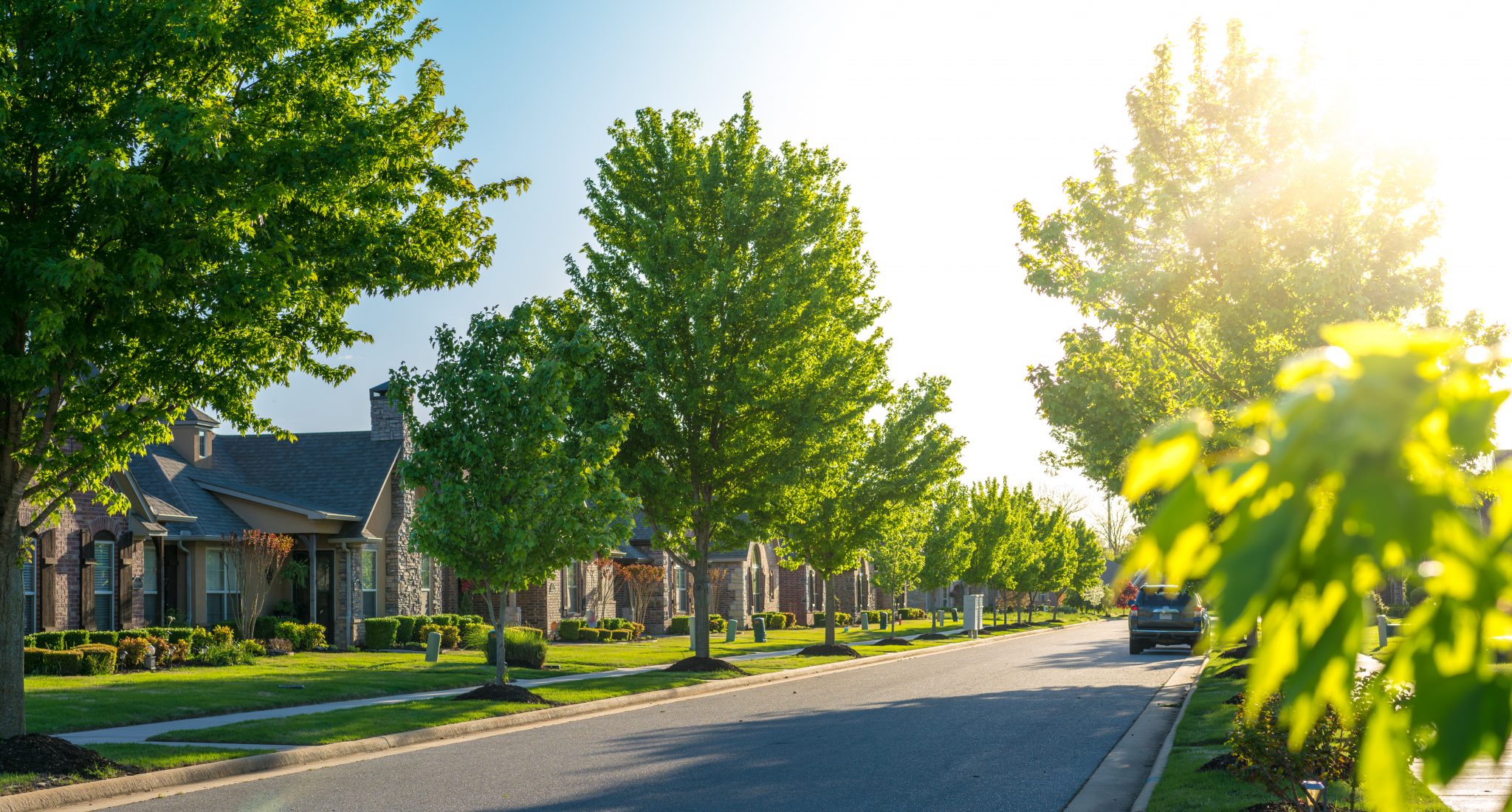
Here's where a lot of people get tripped up. The strip of land between the sidewalk and the street — and sometimes the area right along the curb — is often public right-of-way, even though it looks like it's part of your yard. Trees planted in this zone are typically considered street trees and fall under the jurisdiction of the City Forestry Division.
To remove, prune, or even plant a tree in the public right-of-way, you generally need approval or a permit from City Forestry. Removing a protected street tree without authorization can result in fines and replacement requirements.
- Not sure where your property line ends? Check your plat/survey or call the City.
- The City Forestry Division reviews right-of-way tree requests and can tell you whether a permit is needed.
- If the tree is dead, diseased, or hazardous, the City often works with you to get it handled promptly.
2. HOA Rules & Covenants
If you live in a neighborhood with a Homeowners Association, your HOA may have its own rules about tree removal — regardless of what the city requires. Many HOAs require written approval before you remove a mature tree, and some maintain a list of protected or required landscaping.
Always check your HOA covenants (CC&Rs) or ask your board before scheduling a removal. Skipping this step can lead to fines or disputes with your association.
3. Historic Districts & Landmark Trees
Properties in designated historic districts may have additional review requirements for changes to the landscape, including significant tree removal. Likewise, certain heritage or landmark trees may carry extra protections. If your home is in a historic overlay, confirm the rules before proceeding.
4. Easements & Utility Lines
Trees growing within a utility easement or near power lines involve additional considerations. If a tree is contacting or threatening power lines, don't attempt removal yourself — contact the utility company and a professional. There may also be easement restrictions recorded against your property.
What About Dead or Hazardous Trees?
A dead, dying, or clearly hazardous tree on your private property can almost always be removed without a permit — and it should be, before it fails in a storm. If a hazardous tree is in the right-of-way, the City typically prioritizes those requests. Either way, an ISA Certified Arborist can assess the tree and document the hazard if needed.
How to Confirm Before You Cut
- Determine whose land the tree is on — private property vs. public right-of-way.
- Check your HOA covenants if you're in an association.
- Contact the City Forestry Division for anything in the right-of-way or if you're unsure.
- Call a professional — we handle this every day and can point you in the right direction.
We'll Help You Figure It Out
Permitting doesn't have to be confusing. When you call us for an estimate, we'll help identify whether your tree is on private property or in the right-of-way, and let you know if any approvals are likely needed before we begin. Our goal is to get your tree handled safely, correctly, and without any surprises.
Have a tree you're thinking about removing? Call us at (719) 481-2500 for a free assessment, or request a quote online. We've been serving Colorado Springs since 1976, and we're happy to walk you through the whole process.
Frequently Asked Questions
Do I need a permit to remove a tree on my own property in Colorado Springs?
In most cases, no. Trees growing entirely on your private property can generally be removed without a city permit. The main exceptions are trees in the public right-of-way (near the street/sidewalk), trees covered by HOA rules, and properties in historic districts.
What is a right-of-way or street tree?
The strip of land between the sidewalk and the street is often public right-of-way, even though it looks like part of your yard. Trees in this zone are considered street trees and typically fall under the City Forestry Division, which usually requires approval or a permit before removal or pruning.
Do I need a permit to remove a dead or hazardous tree?
A dead, dying, or hazardous tree on your private property can almost always be removed without a permit, and it should be handled promptly before it fails. If a hazardous tree is in the right-of-way, the City typically prioritizes those requests.
Can my HOA stop me from removing a tree?
Yes. Many Homeowners Associations have their own rules requiring written approval before removing a mature tree, regardless of city requirements. Always check your HOA covenants (CC&Rs) before scheduling a removal.
How do I find out if I need a permit for my specific tree?
Determine whether the tree is on private property or in the right-of-way, check your HOA covenants if applicable, and contact the City Forestry Division if you are unsure. You can also call Mr Stump Tree Service at (719) 481-2500 and we will help you figure it out.
Need Professional Tree Care?
Our ISA Certified Arborists have been serving Colorado Springs since 1976. Free estimates, honest advice.