Most homeowners think of watering as a summer chore. But here in Colorado Springs, one of the biggest threats to trees isn’t the summer heat — it’s the dry winter. Our sunny days, low humidity, drying winds, and long stretches without snow cover can slowly dehydrate trees while they’re dormant. Winter watering is one of the simplest, cheapest things you can do to protect your investment.
Why Winter Watering Matters Along the Front Range
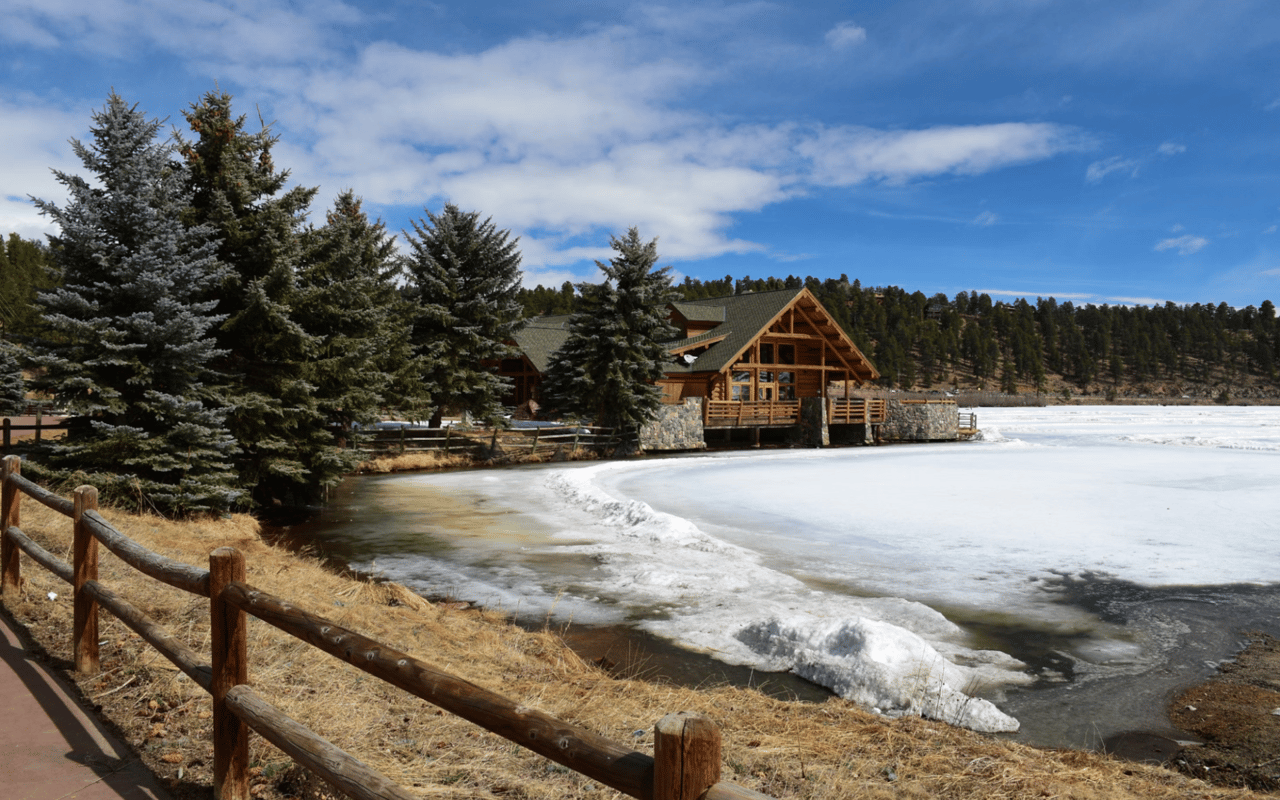
Colorado sits in a semi-arid climate, and our winters routinely include weeks of warm, dry, sunny weather with no precipitation. Even though trees are dormant, their roots keep drawing moisture from the soil. When that soil dries out and stays dry, roots die back — and the damage often doesn’t show up until the following summer, when the tree suddenly declines or drops branches.
Newly planted trees (in the ground less than three years), young trees, and shallow-rooted species like maples, lindens, and birches are especially vulnerable. Evergreens matter too — because they keep their needles, they lose moisture all winter long and can turn brown or “flag” if they get too dry.
When to Water in Winter
The Colorado State Forest Service recommends winter watering one to two times per month from October through March during dry spells. The key rules:
- Water when the temperature is above 40°F and there’s no snow cover.
- Water mid-day so the moisture soaks in before nighttime freezing.
- Skip it if the ground is frozen — the water will just run off.
- Watch dry, windy stretches — a month with no snow is a signal your trees need a drink.
How Much and How to Water
A good rule of thumb is about 10 gallons of water for every inch of trunk diameter. So a 4-inch tree wants roughly 40 gallons per watering. Apply it slowly so it soaks in rather than running off.
Focus on the area under the outer canopy — the dripline — not right against the trunk, since that’s where the active feeder roots are. You can use:
- A soaker hose looped around the dripline
- A soft-spray wand or bucket moved around the root zone
- A deep-root watering needle set just a few inches into the soil
Always disconnect and drain your hose afterward so it doesn’t freeze.
Don’t Forget Mulch
A 3 to 4 inch layer of wood-chip mulch over the root zone (kept a few inches back from the trunk) insulates the soil, holds moisture longer, and moderates the freeze-thaw cycles that stress roots. It’s one of the best year-round things you can do for a tree in our climate.
Not Sure If Your Trees Are Stressed?
Winter drought damage is sneaky, and by the time you see thinning canopy or dead branches, the tree may already be struggling. Mr Stump Tree Service has cared for Front Range trees since 1976, and our ISA Certified Arborists can assess your trees’ health and set up a care plan that keeps them thriving through every season. Call us at (719) 481-2500 or request a quote online.
Frequently Asked Questions
Do established trees really need winter watering in Colorado?
Yes, especially during long dry, snowless stretches. While mature, well-established trees are more resilient, our semi-arid winters can still dry out the root zone. Newly planted and young trees (under three years) and evergreens are the most at risk and benefit the most.
How often should I water my trees in winter?
One to two times per month from roughly October through March during dry periods. Only water when temperatures are above 40°F, the ground is not frozen, and there is no snow cover, and do it mid-day so it soaks in before nightfall.
How much water does a tree need per watering?
A common guideline is about 10 gallons per inch of trunk diameter. Apply it slowly around the dripline (the edge of the canopy) rather than right at the trunk, so it reaches the active feeder roots.
Can I water when the ground is frozen?
No. Water applied to frozen ground simply runs off and does no good. Wait for a day above 40°F when the soil has thawed at the surface.
Need Professional Tree Care?
Our ISA Certified Arborists have been serving Colorado Springs since 1976. Free estimates, honest advice.